Tétouan

Rif mountains · Tangier-Tétouan-Al Hoceïma

Tétouan, Morocco

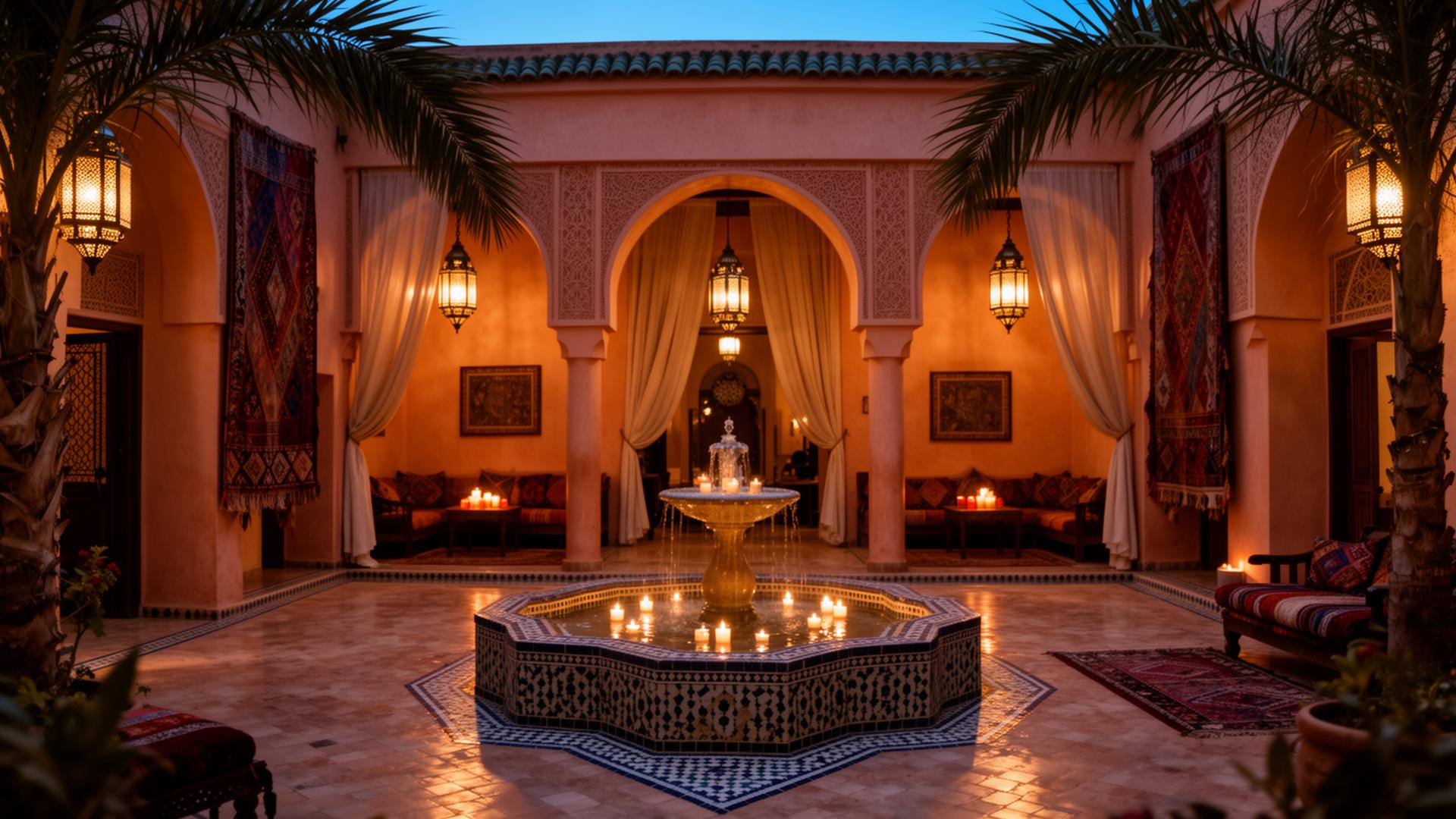
Tétouan is Morocco's Andalusian city — a UNESCO medina of whitewashed lanes, Moorish stucco and the living heritage of Muslim and Jewish Iberia.

Best time

April–June and September–October

Recommended

1–2 nights

Airport

Tangier Ibn Battouta (TNG) + 1h drive

Region

Rif mountains · Tangier-Tétouan-Al Hoceïma

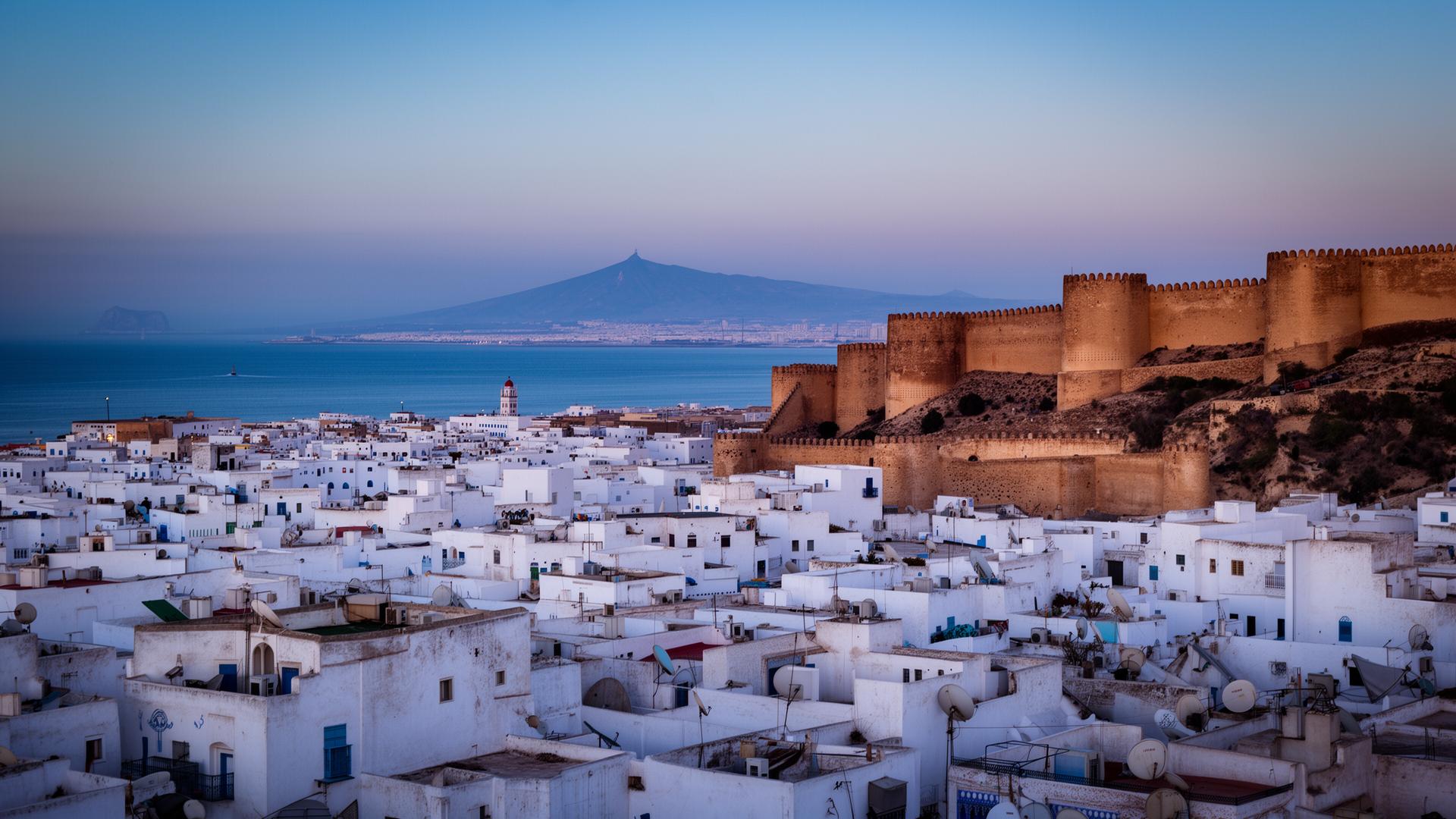
Tétouan is a city of roughly 400,000 on the northern slopes of the Rif mountains, 57 km south-east of Ceuta and 40 km south of the Mediterranean coast. Its UNESCO-listed medina — the most authentically Andalusian in Morocco — was built and inhabited by Muslim and Jewish refugees expelled from Spain after 1492, and still preserves a dense urban fabric of lime-washed lanes, seven-gated walls, ornate fondouks, and carved-plaster decoration unaltered since the 16th century. Tétouan served as the capital of the Spanish Protectorate of Morocco from 1913 to 1956 and retains an ensanche (Spanish colonial quarter) around the Plaza de España, adding a second historical layer that makes the city one of the most architecturally complex in the country.

What to see

Highlights of Tétouan

01

What makes Tétouan's medina uniquely Andalusian?

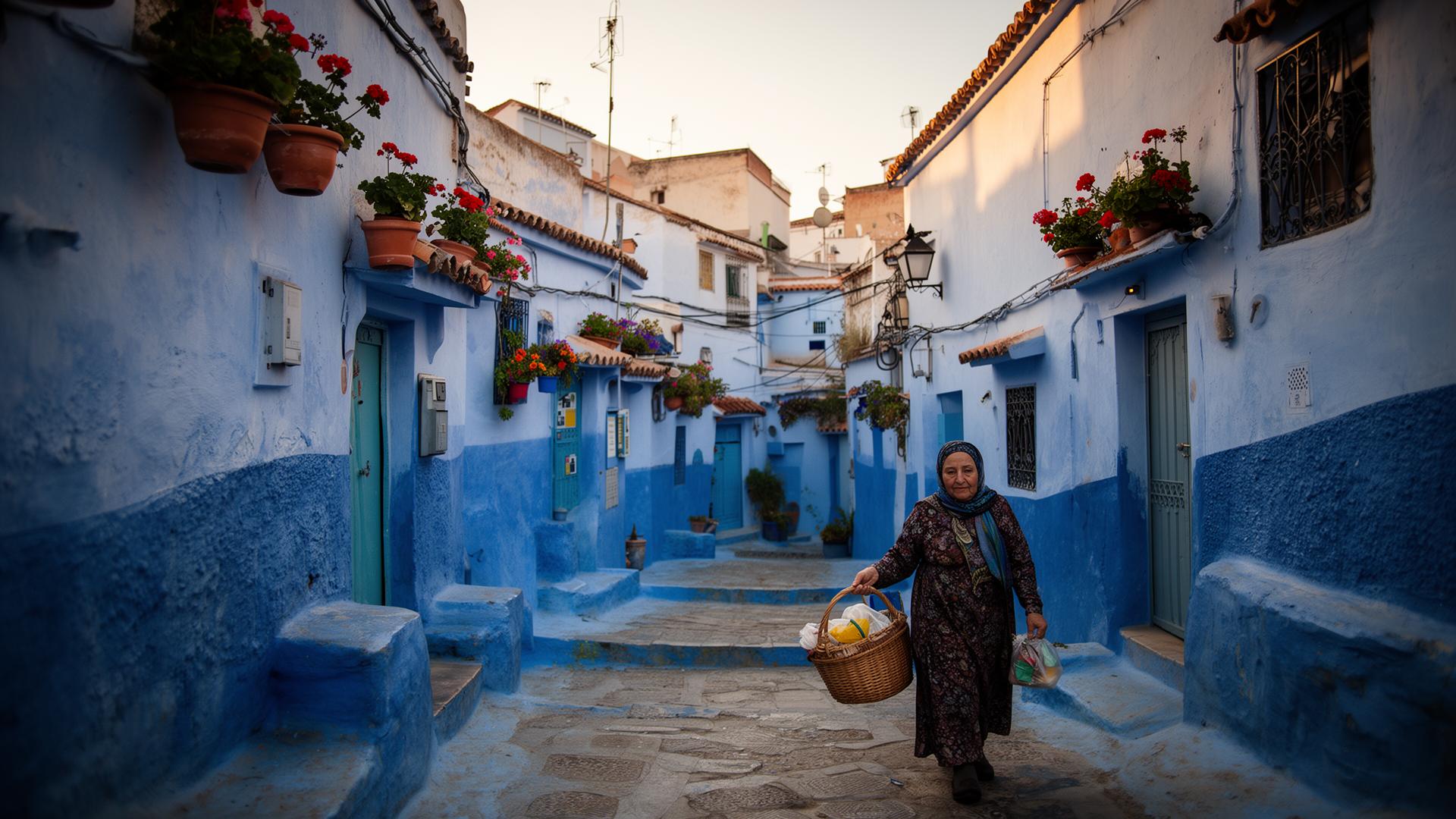
The medina was founded in 1484 by Ali al-Mandari, a general from the Nasrid emirate of Granada, and settled by waves of Muslim and Jewish exiles after the fall of Granada in 1492. Its urban layout, whitewashed facades, internal courtyards and zellige tilework follow Andalusian rather than Moroccan convention — the result is a medina that reads architecturally as a transplanted piece of 15th-century Spain.
02

The Royal Palace square and Andalusian quarter

The Place Hassan II, framed by the Royal Palace gates and the Grand Mosque, is the formal heart of the city. Behind it, the Blanco Barrio (white quarter) climbs the hill in a maze of stepped lanes adorned with potted geraniums in a tradition carried directly from Andalusia.

03

Artisan School and Tétouan Museum

The Escola de Artes e Oficios (National School of Arts) maintains the living craft traditions of marquetry, leather, weaving and musical-instrument making. The adjacent Archaeological Museum holds Roman, pre-Islamic and Andalusian collections from the surrounding region.

04

Cabo Negro and Mdiq beach coast

The Mediterranean coast 12 km east of Tétouan has calm, warm swimming beaches from May to October — a complete contrast to the Atlantic surf coast of Tangier.

Itineraries

2 tours that visit Tétouan

Every itinerary below is privately operated, fully customisable, and includes a deep stop in Tétouan. Click any tour for the day-by-day plan, the map, dates and pricing.

Before you go

Practical notes

  • Getting there: 1h (57 km) south-east of Tangier on the A4 motorway; 45 min from Ceuta border crossing
  • Combine with: Tangier (1h north), Chefchaouen (1h30 south-west) and the Mediterranean coast at Mdiq
  • Language: Darija, Spanish widely understood in the ensanche quarter

Concierge

Have your Tétouan trip designed by a local

Tell us your dates, group size and pace. We'll send back a written proposal within 24 hours — private guides, transfers, riads, the lot.

Request a proposal →

FAQ

Tétouan — common questions

Is Tétouan worth visiting if I've already seen Chefchaouen?+

Yes — they are complementary rather than repetitive. Chefchaouen is a small mountain town famous for its blue walls; Tétouan is a full Andalusian city with a complex medina, a Spanish colonial quarter and working craft traditions. The two together give a complete picture of the northern Rif region.

How does Tétouan's medina differ from Fes el-Bali?+

Fes el-Bali is larger, darker and more labyrinthine, reflecting Amazigh and Arab urban traditions. Tétouan's medina is smaller, whiter and more symmetrical, built to Andalusian conventions by refugees from Granada — lighter facades, more open courtyards and a distinctly Iberian spatial logic.

What is the best way to visit Tétouan from Tangier?+

A private day or overnight from Tangier is ideal — it's one hour by motorway. We recommend arriving in the morning for the medina, visiting the Artisan School and the museum, and staying overnight to see the Plaza Hassan II at dusk when it empties of day visitors.