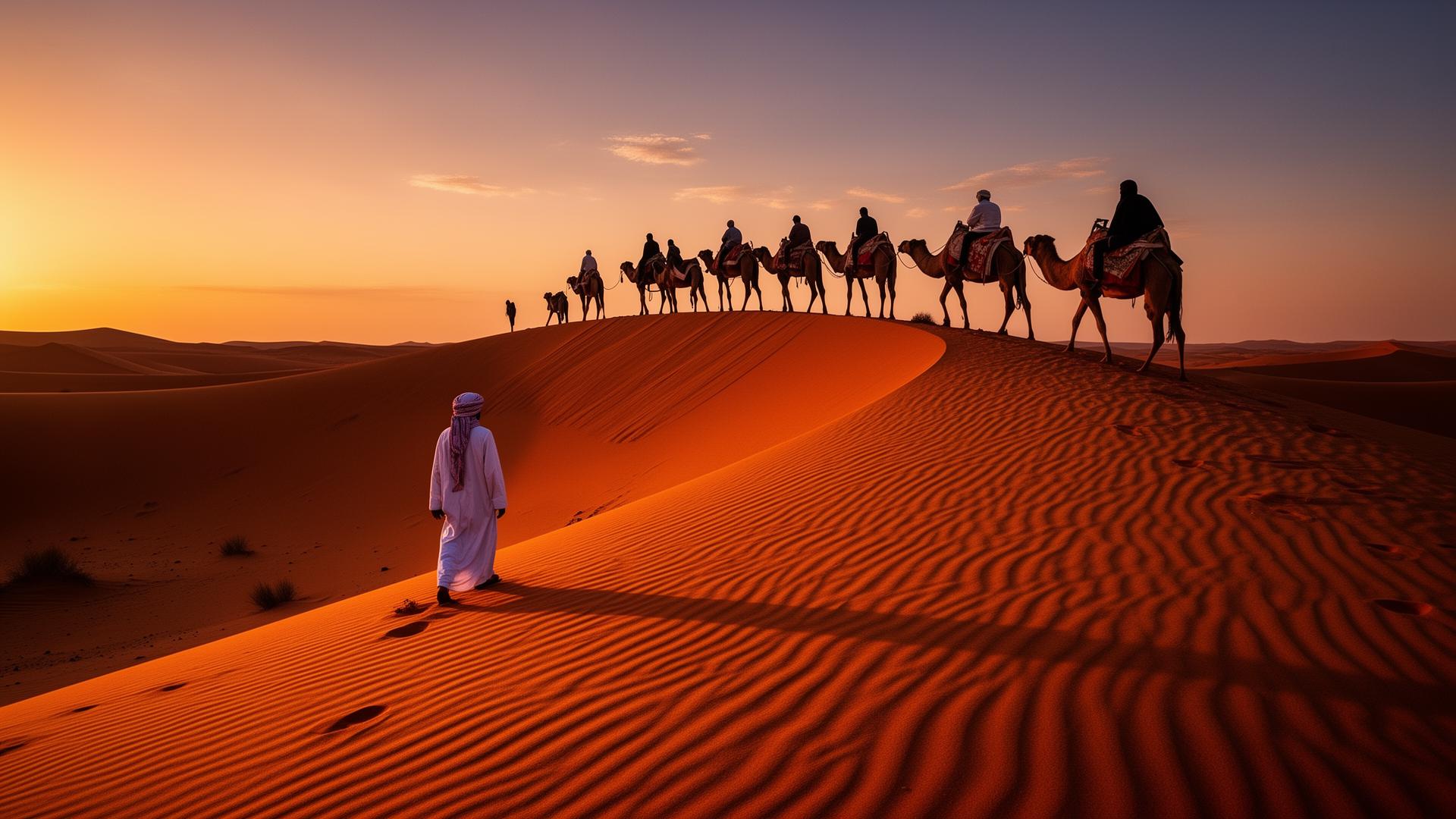
Rissani

Tafilalt oasis · Drâa-Tafilalet

Rissani, Morocco

Rissani is the historic gateway to Merzouga — the ancient Tafilalt capital, cradle of the Alaouite dynasty and Morocco's most atmospheric Thursday market.

Best time

October–April (summer heat regularly exceeds 42°C; the Thursday souk is year-round)

Recommended

1 night (en route to Merzouga)

Airport

Errachidia (ERH) + 40 min drive

Region

Tafilalt oasis · Drâa-Tafilalet

Rissani is a small oasis town at roughly 780 m in the Tafilalt, Morocco's largest palm oasis, situated about 22 km south-west of Merzouga and 40 km south of Errachidia on the N13 national route. Founded as the capital of the medieval Sijilmassa trading state — which controlled the trans-Saharan gold and salt routes between the 8th and 14th centuries — Rissani later became the cradle of the Alaouite dynasty, Morocco's current royal family, who trace their origins here from the 17th century. The town holds the Mausoleum of Moulay Ali Cherif, founder of the dynasty, and a circuit of ruined kasbahs and a ksar (Ksar Oulad Abdelhalim) that represent the finest earthen architecture in the Tafilalt. Its Thursday and Sunday souk is the most important livestock and agricultural market in south-eastern Morocco, drawing Berber, Arab and nomadic traders from across the region.

What to see

Highlights of Rissani

01

What is the Rissani souk and why is it significant?

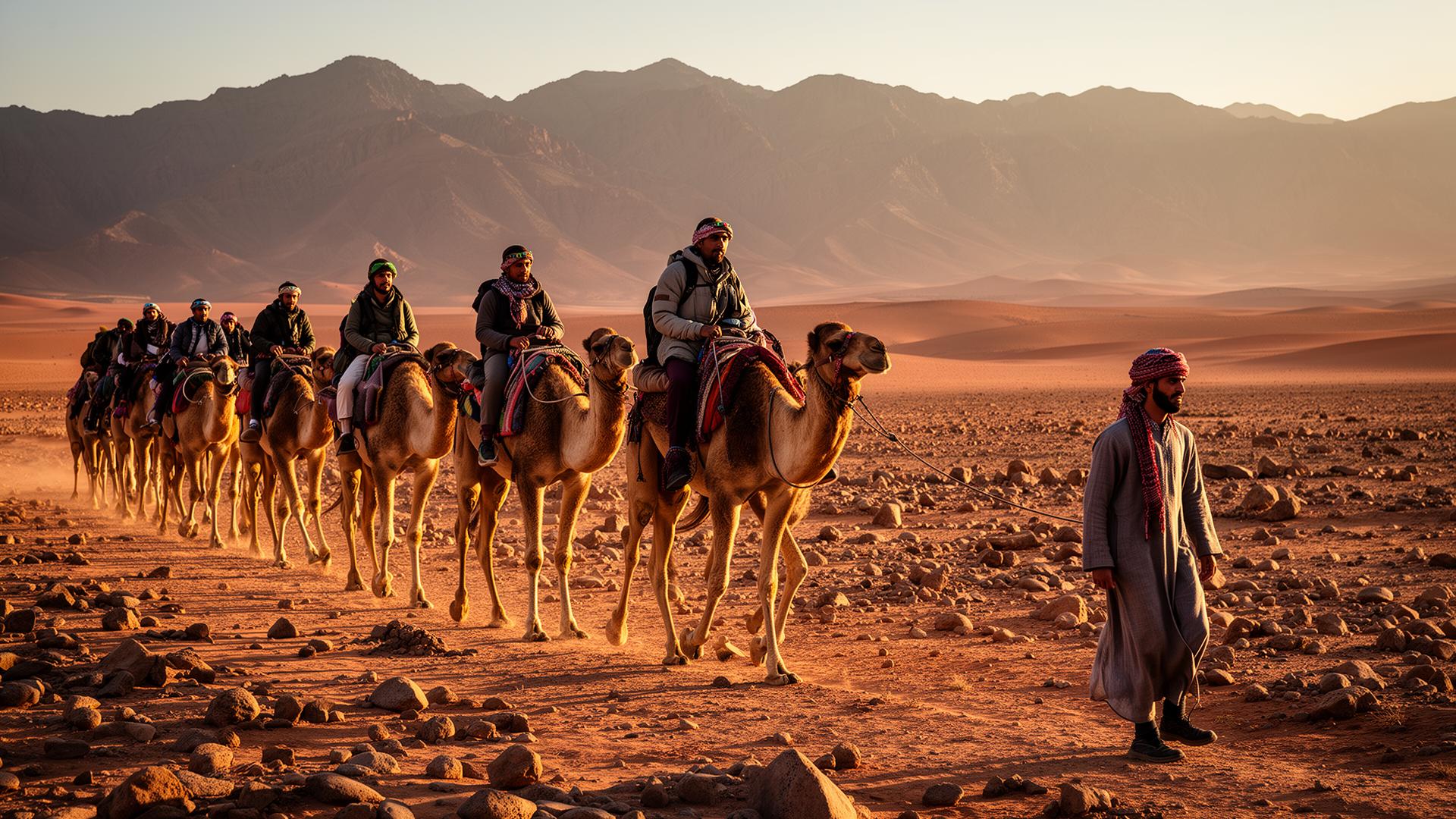
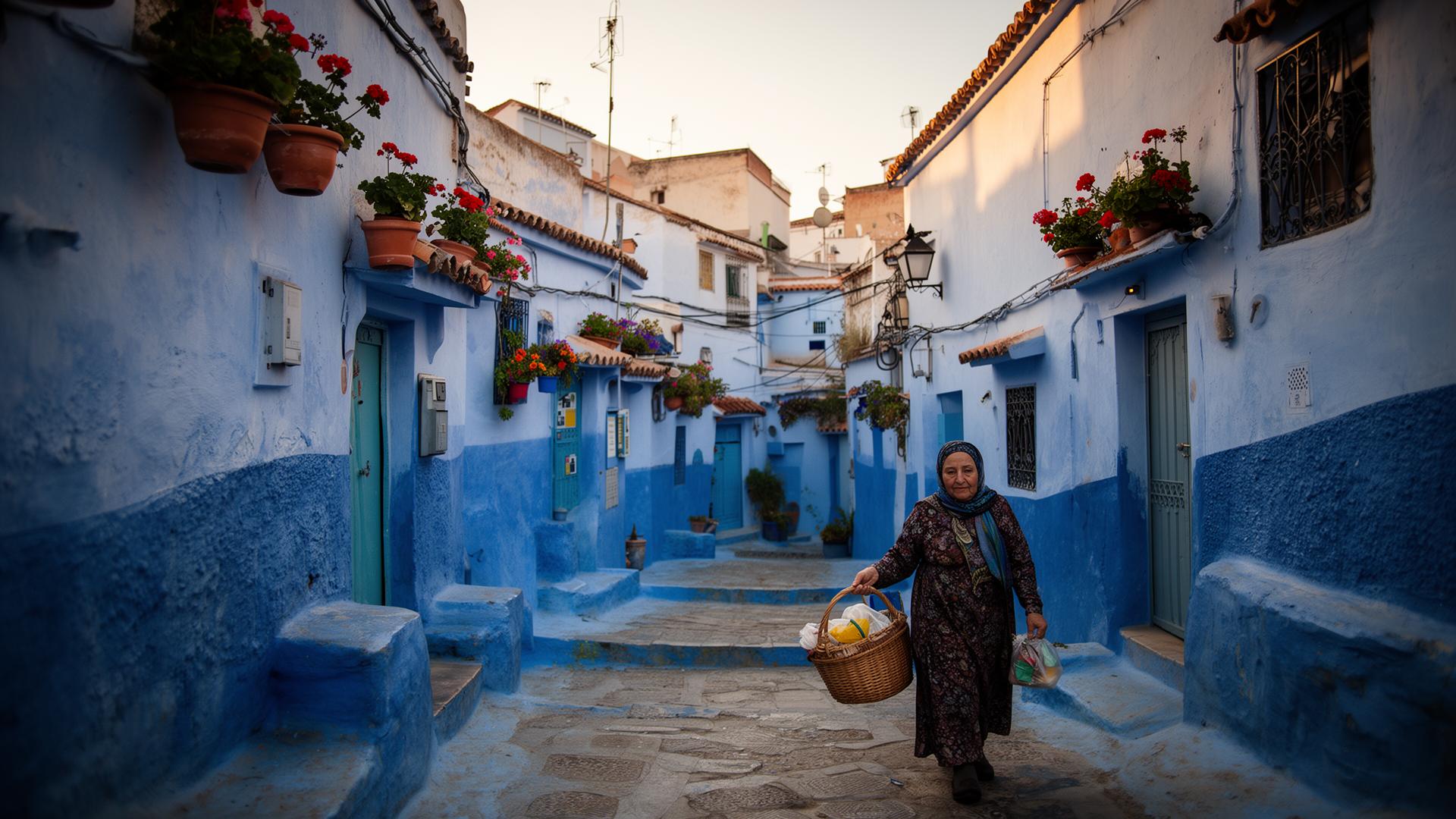
The Thursday and Sunday souk of Rissani is the largest and most authentic market in the Tafilalt — a working agricultural and livestock market drawing Berber farmers, Saharan nomads, date traders and craftspeople from across south-eastern Morocco. Sheep, goats, camels, dates, spices and locally woven tent cloth are traded in a setting that has changed little in centuries. It is one of the few large Moroccan souks genuinely oriented toward Moroccan buyers rather than tourists.
02

Ksar Oulad Abdelhalim

The finest surviving earthen ksar in the Tafilalt — an 18th-century fortified village built by the Alaouites for a son of Moulay Ismail, with decorated towers, carved-plaster reception rooms and a scale that reflects the power of the dynasty at its height. The ksar is partially restored and open to visitors.

03

Mausoleum of Moulay Ali Cherif

The sanctuary of the founder of the Alaouite dynasty, the ruling family of Morocco since 1666, stands at the edge of Rissani's old town. Non-Muslim visitors may approach and photograph the exterior; the mausoleum remains restricted. The surrounding ksar quarter is worth a walk.

04

Gateway to the Merzouga dunes

Rissani sits 22 km from the village of Merzouga and the base of Erg Chebbi — the standard approach route threads through date-palm corridors, nomadic encampments and the last settled villages before the desert. Every camel trek and camp transfer passes through or near Rissani.

Itineraries

2 tours that visit Rissani

Every itinerary below is privately operated, fully customisable, and includes a deep stop in Rissani. Click any tour for the day-by-day plan, the map, dates and pricing.

Before you go

Practical notes

  • Getting there: 40 min (40 km) south of Errachidia on the N13; 22 km west of Merzouga via the oasis road
  • Souk days: Thursday and Sunday are the principal souk days; arrive before 10h for the livestock section
  • Best combined with: Merzouga (22 km east) and Erfoud (17 km north) — the three form the core Tafilalt circuit
  • Note: Rissani is a working market town without luxury accommodation; most travellers stay in Merzouga and visit as a half-day

Concierge

Have your Rissani trip designed by a local

Tell us your dates, group size and pace. We'll send back a written proposal within 24 hours — private guides, transfers, riads, the lot.

Request a proposal →

FAQ

Rissani — common questions

What is the difference between Rissani and Merzouga?+

Merzouga is the village at the foot of Erg Chebbi — its entire economy is desert tourism, camps and camel treks. Rissani, 22 km west, is a living oasis market town with historical monuments, a major Thursday souk and the Alaouite ksar — a completely different, authentic character. Most Sahara itineraries visit both.

Is the Rissani souk worth visiting?+

Yes — it is one of the most authentic large markets in southern Morocco and a genuine working souk rather than a tourist market. The Thursday souk is the larger of the two weekly markets; arrive before 10h when the livestock section is most active. The date stalls and spice section are excellent year-round.

What is Sijilmassa and where can I see it?+

Sijilmassa was a medieval trading city that controlled the trans-Saharan caravan route from the 8th to the 14th centuries, when it was destroyed. Its ruins lie on the northern outskirts of Rissani — visible but largely unexcavated mounds of earthen architecture. An ongoing Franco-Moroccan archaeological project has documented the site; a small interpretive display is available at the Rissani museum.

What is the best time of year to visit Rissani?+

October through April, when daytime temperatures are comfortable (15–28°C). The date harvest in October and November brings the Tafilalt to life; the Thursday souk operates year-round regardless of season. July and August regularly exceed 42°C and outdoor activity is limited to early morning.