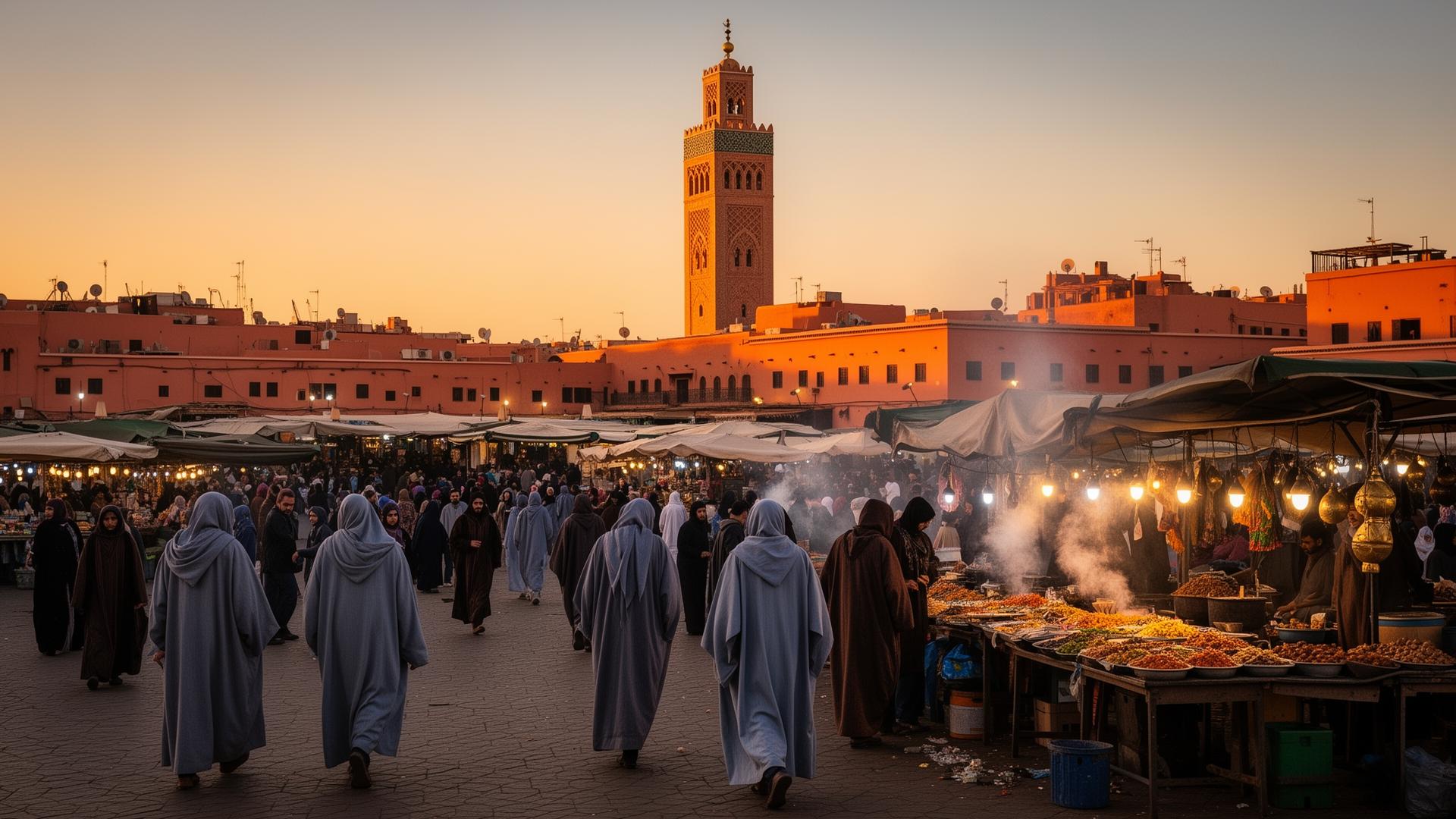
Morocco and Italy both face the Mediterranean and are an easy short-haul flight from much of Europe, yet they offer very different kinds of journey. Morocco is a North African kingdom shaped by Amazigh (Berber), Arab and Andalusian influences: the labyrinthine medinas of Marrakech and Fes, the Saharan dunes of Erg Chebbi, the High Atlas, blue-washed Chefchaouen and the windswept Atlantic port of Essaouira. It is immersive and adventurous, often feels far from home, and is generally excellent value. Italy is the quintessential European classic — the ancient ruins and Renaissance art of Rome and Florence, the canals of Venice, the Amalfi Coast and the rolling vineyards of Tuscany — with some of the world's finest food and wine and famously polished travel infrastructure, but at generally higher prices. The choice usually comes down to whether you want exotic adventure and value, or art, history, cuisine and classic European comfort. Neither is objectively better; they simply suit different appetites.
Option A
Morocco
North African kingdom — exotic medinas, the Sahara, the Atlas and the Atlantic coast
Best for
Adventure and culture seekers wanting somewhere exotic, varied and great value
Full guideOption B
Italy
Classic Europe — Rome, Florence and Venice, world-class art, food and wine
Best for
Art, history and cuisine lovers who want polished, comfortable European travel
Full guideSide-by-side breakdown
Morocco vs Italy: how they compare
| Category | Morocco | Italy |
|---|---|---|
| Where it sits | North Africa, just across the Mediterranean; short-haul flights from across Europe | Southern Europe, on the Mediterranean; superbly connected by air and high-speed rail |
| Headline draws | Medinas of Marrakech & Fes, the Sahara, the High Atlas, Chefchaouen, the Atlantic coast | Rome's ruins, Florence's Renaissance art, Venice's canals, the Amalfi Coast and Tuscany |
| Cultural feel | Immersive and unfamiliar — Arabic and Amazigh culture, souks, the call to prayer | Familiar European heritage — classical antiquity, Renaissance art and Catholic tradition |
| Ease of travel | Rewarding but more effort — haggling, medina navigation and faux guides to manage | Very easy — walkable historic cities, excellent high-speed trains and smooth infrastructure |
| Art & history | Living craft medinas, mosques, medersas and kasbahs; history you walk through, not museums | Among the world's greatest concentrations of art and ruins — the Colosseum, the Uffizi, Pompeii |
| Food & drink | Tagine, couscous, bastilla, harira, fresh Atlantic seafood; mint tea culture | Pasta, pizza, regional specialities and celebrated wines; one of the world's great cuisines |
| Coast & landscape | Sahara dunes, High Atlas peaks and a wild Atlantic coast for surf at Essaouira and Taghazout | The Amalfi and Cinque Terre coasts, Tuscan hills, the Dolomites and Italian lakes |
| Cost & value | Strong value — accommodation, food and guides typically cost noticeably less | Generally pricier, especially in Venice, Florence and Rome and in high season |
| Best for | Adventure, culture and landscape variety; somewhere that feels genuinely exotic | Art, history, food and wine, and comfortable, classic European travel |
Our verdict
Which should you choose?
Choose Italy if your trip is about art, history, food and wine wrapped in polished, comfortable European travel — Rome's ancient ruins, Florence's Renaissance masterpieces, Venice's canals, the Amalfi Coast and Tuscany, all linked by superb high-speed trains. It is a wonderful, if generally pricier, classic. Choose Morocco if you want something more adventurous and exotic at strong value: the medinas of Marrakech and Fes, a night under the stars in the Sahara, the High Atlas and the Atlantic coast, in a country that feels genuinely far from home yet is a short flight from Europe. Both sit on the Mediterranean and are easy to reach, so pick by temperament — Italy for art, history and cuisine in classic Europe, Morocco for exotic adventure and value. If your ideal trip mixes a riad in Marrakech with a desert camp and grilled fish on the Essaouira ramparts, Morocco is the one.
Deep dives
Explore each destination in full
FAQ
Frequently asked questions
Is Morocco or Italy better to visit?
Neither is objectively better — they suit different travellers. Italy offers world-class art, history, food and wine with polished, comfortable European travel, making it ideal if you love museums, ruins, cuisine and easy logistics. Morocco offers a more immersive, adventurous experience — medinas, the Sahara and the Atlas Mountains — at stronger value and with a more exotic feel. Choose Italy for art, history and classic Europe; Morocco for adventure and the exotic.
Is Morocco cheaper than Italy?
Generally yes. Accommodation, meals, local transport and guides typically cost less in Morocco, and the gap is widest in Italy's most popular cities like Venice, Florence and Rome, especially in high season. Italy can still be done affordably with care, but Morocco usually comes out cheaper overall, which is one reason value-conscious travellers are drawn to it. Compare specific dates and itineraries rather than assuming.
Which is easier for first-time travellers, Morocco or Italy?
Italy is the easier of the two for most first-time international travellers: walkable historic cities, excellent high-speed trains, widely spoken English in tourist areas and familiar European infrastructure. Morocco is very rewarding but asks more — navigating medinas, handling haggling and faux guides, and adjusting to a different culture — so first-timers there often benefit from a guided or private tour for at least part of the trip.
Is Morocco or Italy better for food?
Both are food destinations, but in different registers. Italy is one of the world's great cuisines — regional pastas, pizza, fresh produce and celebrated wines, with a deep café and trattoria culture. Morocco's cooking is rich and aromatic — tagine, couscous, bastilla and harira, plus fresh Atlantic seafood and mint tea. If wine and classic European dining matter most, Italy; if you want fragrant, spice-led North African cooking and a new culinary world, Morocco.
Can you combine Morocco and Italy in one trip?
Yes. Both sit on the Mediterranean and are well connected by air, with frequent flights linking Italian cities to Marrakech, Fes and Casablanca. A common approach is to spend several days in Italy — Rome, Florence or the Amalfi Coast — then fly to Morocco for a contrasting leg of medinas, mountains and desert. Allow at least 10–14 days to do both at a comfortable pace rather than rushing between two very different countries.
Ready to book?
Let a Marrakech atelier build your itinerary.
Tell us which destinations you want to combine and we'll send a written itinerary and a transparent quote within 24 hours.
Keep comparing
All destination comparisons